



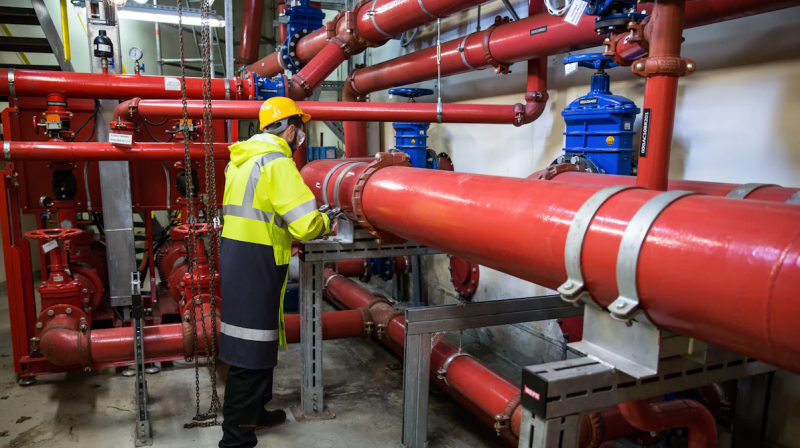
Você precisa do melhor equipamento de remoção de revestimento por indução para aço para atender às novas demandas em 2025. A tecnologia de indução agora funciona mais rápida e limpa do que antes. Também fornece resultados mais precisos. O mercado está crescendo e alcançará$2,3 bilhões até 2025. Muitas indústrias buscam soluções eficientes, que não exigem contato e funcionam bem. Novos recursos como controles digitais e integração IoT tornam seu equipamento mais fácil de usar. Esses recursos também ajudam você a realizar mais trabalho. Escolher a ferramenta de indução certa para seu trabalho com aço é importante, pois agora há mais opções disponíveis.
Principais Conclusões
Ferramentas de remoção de revestimento por induçãosão mais rápidas e limpas do que os métodos antigos. Elas ajudam a economizar tempo e energia. Escolha a melhor ferramenta para o tamanho do seu projeto e a espessura do revestimento. Isso garantirá os melhores resultados. Procure ferramentas com controles digitais e designs portáteis. Esses recursos tornam seu trabalho mais fácil e rápido. As ferramentas de indução são mais seguras e melhores para o meio ambiente. Elas não produzem poeira nem utilizam produtos químicos perigosos. Considere a economia em reparos e custos operacionais ao longo do tempo ao escolher equipamentos de remoção de revestimento por indução.
Equipamentos de Remoção de Revestimento por Indução: Melhores Escolhas
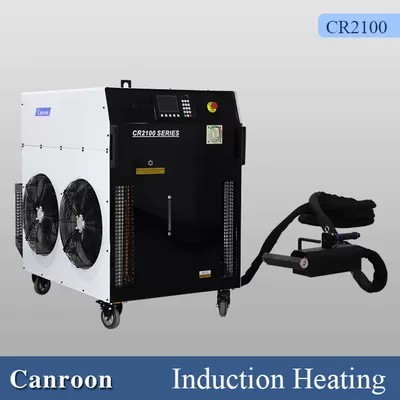
Sistema de Remoção de Revestimento por Indução Canroon
O Sistema de Remoção de Revestimento por Indução Canroonoferece desempenho excepcional e controle preciso para remoção rápida e segura de revestimentos em superfícies de aço. Pode reduzir o tempo de trabalho em até 75%, sem a necessidade de produtos químicos nocivos ou consumíveis, aumentando a segurança e a sustentabilidade ambiental. Com um design de energia versátil, entrada padrão de 2.200W e saída de até 2.000W, o sistema Canroon oferece ampla adaptabilidade em diversas aplicações de tratamento de aço. Sua combinação de alta eficiência, ampla adequação industrial e custo-benefício o torna uma solução ideal para diversas necessidades de remoção de revestimento.
Ferramenta de Indução ENRX Minac
A Ferramenta de Indução ENRX Minac é usada em configurações industriais para remoção de revestimento. Pode trabalhar com revestimentos de até 10mm de espessura no modo de varredura e 40mm no modo pontual. A ferramenta opera com energia de 480v e consumo intermitente em torno de 40kW. Produz ruído e poeira mínimos durante a operação.
Removedor de Indução Industrial ProHeat
O ProHeat é uma unidade de remoção de revestimento baseada em indução, projetada para tarefas de processamento de aço. Visa simplificar a operação e reduzir a necessidade de mão de obra em aplicações relevantes.
Removedor Portátil de Indução SteelMaster
O SteelMaster é uma unidade portátil adequada para remoção de revestimento em espaços confinados. Projetado para fácil movimentação e instalação, opera silenciosamente sem gerar poeira.
Cada equipamento de remoção de revestimento por indução tem seus próprios pontos fortes. Escolha aquele que melhor se adapta ao seu projeto e local de trabalho.
Principais Características e Especificações
Potência e Eficiência
Você quer uma ferramenta que funcione rapidamente e economize energia.O aquecimento por indução fornece calor instantâneo, então você não precisa esperar. O calor é forte e uniforme, o que ajuda a remover revestimentos rapidamente. A maioria das ferramentas possui controles digitais. Você pode ajustar a temperatura e a potência para o seu trabalho. Isso ajuda a obter bons resultados todas as vezes. O aquecimento por indução usa menos energia porque aquece apenas onde você precisa.
Tipos de Aço Suportados
Você pode usar essas ferramentas em muitos tipos de aço.A tabela abaixo mostra qual aço funciona melhor e onde há limitações:
Verifique o tipo de aço antes de começar. Isso ajuda a evitar problemas e obter os melhores resultados.
Portabilidade e Usabilidade
Você precisa de uma ferramenta que seja fácil de mover e usar. Muitos sistemas de aquecimento por indução são leves e portáteis. Você pode usá-los na oficina ou no local de trabalho. Recursos como bobinas personalizadas e controles digitais facilitam o trabalho. Você pode trocar as bobinas para diferentes formas e tamanhos.A tabela abaixo mostra o que torna essas ferramentas fáceis de usar:
Segurança e Conformidade
Você quer estar seguro enquanto trabalha. As ferramentas de aquecimento por indução possuem recursos de segurança como proteção contra superaquecimento e sobrecarga. Algumas ferramentas também verificam o fluxo de água baixo. Esses recursos ajudam a evitar acidentes. Você não precisa de chamas abertas, então sua área de trabalho é mais segura. Você também produz menos poeira e fumaça, o que é melhor para sua saúde.
Preço e Valor
As ferramentas de aquecimento por indução estão disponíveis em uma ampla faixa de preço para atender a diferentes necessidades e orçamentos. Por exemplo, o Inductor® Pro-Max Fully Loaded (PM-200FL)tem preço de$3.719,00 e é projetado como um sistema robusto para aplicações industriais exigentes.
Se você está procurando alto desempenho sem o alto custo, o Sistema de Remoção de Revestimento por Indução Canroonoferece um equilíbrio excepcional entre capacidade e acessibilidade. Ele fornece potência e eficiência confiáveis a um preço mais acessível, permitindo que você alcance resultados profissionais com um orçamento menor.
Ao escolher um sistema, considere suas necessidades específicas e o valor que você espera. Embora os modelos premium venham com recursos avançados,Canroonprova que você nem sempre precisa gastar mais para obter o desempenho necessário.
Métodos de Remoção de Revestimento Comparados
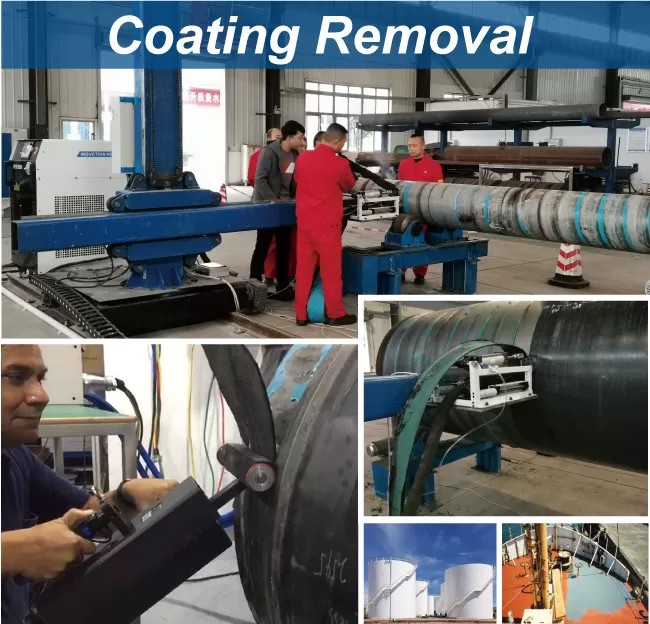
Indução vs. Métodos Tradicionais
Existem diferentes maneiras de remover revestimentos do aço. Cada método funciona em seu próprio estilo e fornece resultados diferentes. A tabela abaixo mostra comoindução, jateamento abrasivo e decapagem química são diferentes:
Indução é especial porque é rápida e funciona em revestimentos duros. O jateamento abrasivo leva mais tempo e produz muita poeira. A decapagem química pode ser lenta e pode deixar resíduos pegajosos.
Ganhos de Produtividade e Eficiência
Você quer terminar trabalhos mais rapidamente e não desperdiçar energia.Indução ajuda a fazer isso. Essas ferramentas podem tornar seu trabalho até 90% mais rápido do que os métodos antigos. Você também usa cerca de 75% menos energia. Você não precisa esperar a ferramenta esquentar. Você obtém calor imediatamente e pode limpar mais aço em menos tempo. Isso economiza dinheiro e permite que você faça mais trabalhos todos os dias.
Dica:Indução quase não produz resíduos ou fumaça. Você não precisa se preocupar com poeira ou água suja.
Benefícios Ambientais e de Segurança
Você quer se manter seguro e ajudar o planeta.Indução ajuda em ambos. Você não usa produtos químicos ou areia de jateamento, então não respira fumos ou poeira prejudiciais. O processo é limpo e silencioso. Você pode trabalhar em locais públicos sem fazer barulho ou bagunça. A ferramenta não esquenta por fora, então você não se queima. Você também produz menos lixo, facilitando a limpeza e tornando o ambiente seguro para todos.
Sem poeira no ar ou sujeira tóxica
Sem água suja ou areia residual
Usar menos energia é melhor para a terra
Seguro para usar em muitos lugares, mesmo perto de pessoas
Você obtém uma maneira mais limpa, segura e rápida de remover revestimentos do aço.
Análises Detalhadas: Desempenho Equilibrado e Valor Inteligente
Sistema de Remoção de Revestimento por Indução Canroon
O sistema Canroon foi projetado para fornecer remoção de revestimento confiável e de alto desempenho em uma ampla gama de aplicações de aço. Remove eficientemente revestimentos espessos com controles de calor e potência ajustáveis para cada projeto. Proteções de segurança integradas permitem que você opere com confiança, enquanto seu design energeticamente eficiente elimina a necessidade de produtos químicos ou materiais abrasivos.
Pontos fortes:
Fornece alta potência para conclusão mais rápida do trabalho
Eficiente em energia e ecologicamente correto, sem produtos químicos
Oferece controle preciso através de configurações digitais fáceis de usar
Inclui proteção contra superaquecimento e sobrecarga para maior segurança
Compatível com vários tipos de aço e condições de superfície
Alta durabilidade e baixa manutenção reduzem custos operacionais a longo prazo
Pontos fracos:
Alguns recursos avançados podem exigir treinamento inicial
O peso do sistema pode ser menos adequado para tarefas extremamente pequenas ou delicadas
Nota: O Canroon se destaca por sua durabilidade excepcional e necessidades mínimas de manutenção, permitindo que você se concentre na produtividade em vez de cuidar da ferramenta.
Ferramenta de Indução ENRX Minac
O ENRX Minac é capaz de remoção rápida de revestimento, adequado para ambientes com acesso a energia de 480v. Pode lidar com revestimentos espessos e é projetado para operar silenciosamente sem gerar poeira.
Considerações:
Requer alimentação de 480v, o que pode limitar a flexibilidade do local
Investimento inicial mais alto comparado a algumas alternativas
Removedor de Indução Industrial ProHeat
O ProHeat fornece uma opção simples para tarefas básicas de remoção de revestimento de aço, com ênfase na simplicidade operacional e redução do uso de produtos químicos.
Considerações:
Falta controles digitais avançados disponíveis em outros sistemas
A portabilidade pode ser limitada dependendo das necessidades do local de trabalho
Removedor Portátil de Indução SteelMaster
O SteelMaster oferece um design compacto e portátil, adequado para espaços confinados ou aplicações de menor porte onde a mobilidade é prioridade.
Considerações:
A potência de saída é menor comparada a sistemas de desempenho total
A velocidade de remoção pode diminuir em revestimentos muito espessos
Dicas:
Ao selecionar um sistema de remoção de revestimento por indução, considere os requisitos específicos do seu projeto, condições do local e orçamento. O sistema Canroon oferece um equilíbrio convincente de potência, controle, segurança e custo-benefício, tornando-o uma escolha ideal para usuários que buscam desempenho profissional sem complicar operações ou incorrer em custos iniciais ou de longo prazo excessivos. Sua versatilidade em tipos de aço e ênfase na durabilidade apoiam ainda mais a produtividade consistente em diversos ambientes de trabalho.Escolhendo o Equipamento Certo
Avaliando as Necessidades do Projeto
Primeiro, pense no tamanho do seu projeto. Algumas ferramentas de remoção de revestimento por indução são melhores para grandes áreas. Outras funcionam bem em espaços pequenos ou apertados. Se você precisa remover revestimentos espessos do aço, precisa de uma ferramenta com alta potência. Ela também deve remover revestimentos rapidamente. Para trabalhos pequenos ou detalhados, sistemas portáteis ajudam muito. Sempre escolha equipamentos que correspondam ao que você precisa fazer.
Compatibilizando Equipamentos com Tipos de Aço
Diferentes tipos e espessuras de aço requerem ferramentas diferentes. A maioria dos sistemas de indução funciona em aço carbono e aço estrutural. Mas alguns revestimentos e camadas finas podem não funcionar bem. A tabela abaixo mostra qual ferramenta é melhor para cada trabalho:
Verifique o tipo de aço e a espessura do revestimento antes de escolher uma ferramenta. Isso ajuda a evitar erros e obter bons resultados para seu trabalho.
Considerações sobre Orçamento e Valor
Você quer economizar dinheiro e obter bom valor. Equipamentos de remoção de revestimento por indução economizam dinheiro ao longo do tempo. Você não precisa comprar abrasivos ou produtos químicos. Você também produz menos resíduos e reduz seus custos. Aqui estão algumas coisas para pensar:
O aquecimento por indução ajuda você aterminar a remoção de tinta mais rápido.
Você reduz o risco de incêndio e lesões aos trabalhadores.
O processo atende às novas regras de segurança e meio ambiente.
A tabela abaixo mostra como as ferramentas de indução ajudam você a economizar dinheiro em diferentes trabalhos:
Você também gasta menos consertando e alimentando suas ferramentas. A maioria das unidades só precisa ser verificada e limpa uma vez por ano. Alguns sistemas podem se auto-verificar e reduzir a manutenção em até 40%. A tabela abaixo mostra como você economiza dinheiro ao longo do tempo:
Suporte e Garantia
Procure equipamentos com bom suporte e garantia. As melhores marcas oferecem registro de produto, reparos e treinamento. A maioria das garantias dura um ou dois anos. O gráfico abaixo mostra quanto tempo as garantias duram para ferramentas populares:
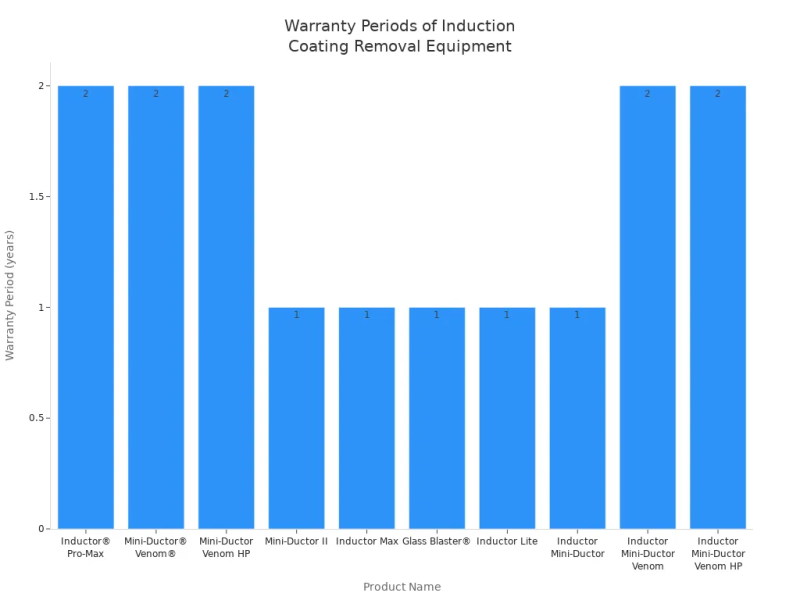
Você se sente melhor ao escolher equipamentos com suporte robusto. Isso ajuda suas ferramentas a durarem mais e funcionarem bem em todos os seus trabalhos.
Agora você pode ver como essas ferramentas de remoção de revestimento por indução são diferentes para o aço. A tabela abaixo mostra os principais fatos:
Ao selecionar um sistema de remoção de revestimento por indução, considere o escopo do seu projeto e suas prioridades operacionais. Para uma solução versátil e econômica adequada para uma ampla gama de aplicações — desde tarefas de médio porte até projetos industriais exigentes — o sistema Canroon oferece um excelente equilíbrio de potência, controle e confiabilidade. Ele foi projetado para lidar com vários tipos de revestimento e superfícies de aço de forma eficiente, tornando-o uma escolha prática e de alto valor para a maioria dos usuários.
Se o seu trabalho envolve consistentemente operações de grande escala e alta potência e você tem acesso a energia de 480V, o ENRX Minac pode ser configurado para esses ambientes. Para espaços menores ou confinados onde a portabilidade é essencial, o SteelMaster fornece uma opção compacta.
Antes de tomar uma decisão, revise os suportes, garantias e serviços disponíveis de cada fabricante. Você também pode entrar em contato diretamente com eles para discutir suas necessidades específicas — um bom fornecedor ajudará você a escolher a ferramenta que realmente corresponde às suas condições de trabalho e objetivos de longo prazo.
Perguntas Frequentes
O que torna a remoção de revestimento por indução melhor do que os métodos tradicionais?
Você obtém remoção de revestimento mais rápida com ferramentas de indução. Você não precisa de produtos químicos ou jateamento. O calor visa apenas o revestimento. Isso mantém a superfície do aço segura. Você conclui o processo de remoção com menos bagunça e menos risco para sua saúde.
Você pode usar remoção de revestimento por indução em qualquer superfície de aço?
Você pode usar remoção de revestimento por indução na maioria das superfícies de aço. O processo funciona melhor em aço carbono e aço estrutural. Revestimentos finos ou superfícies especiais podem não funcionar tão bem. Sempre verifique a superfície e o tipo de revestimento antes de iniciar a remoção.
Como você prepara uma superfície para remoção de revestimento por indução?
Você limpa a superfície primeiro. Remova sujeira solta ou graxa. Certifique-se de que o revestimento esteja seco. Isso ajuda a ferramenta de remoção a funcionar melhor. Uma superfície limpa permite que o calor de indução alcance o revestimento. Você obtém um processo de remoção mais suave e melhores resultados.
A remoção de revestimento por indução é segura para uso interno?
Você pode usar remoção de revestimento por indução em ambientes internos. O processo não produz poeira ou fumos. Você não precisa de chamas abertas. A superfície permanece fria, exceto pelo revestimento. Você mantém sua área de trabalho segura e limpa durante a remoção.
Como você sabe quando a remoção do revestimento está completa?
Você observa o revestimento se soltar da superfície. A ferramenta de remoção aquece o revestimento até que ele se separe. Você pode testar a superfície com um raspador. Se o revestimento sair facilmente, a remoção está concluída. Sempre verifique toda a superfície para verificar se há revestimento residual.
Anterior:
Próximo:
Inscreva-se para atualizações