



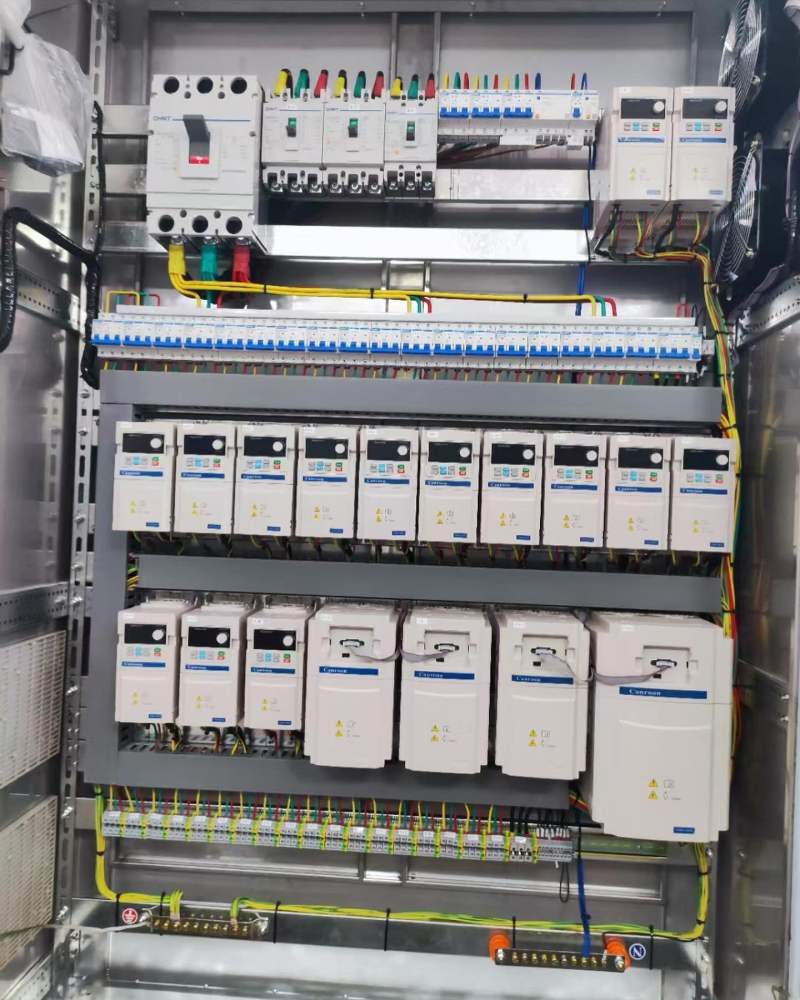
Você pode mudar como sua fábrica funciona com um controlador VFD. Este dispositivo inteligente ajuda você a usar menos energia. Ele permite que você controle a velocidade do motor muito bem. Também ajuda suas máquinas a durarem mais. Muitas fábricas veem coisas boas como melhor controle, menos estresse nas máquinas e menos ruído.A tabela abaixo mostra como esses benefícios ajudam seu negócio. Muitas empresas confiam na Canroon para boas soluções.
Principais Conclusões
Controladores VFD economizam energia. Eles mudam a velocidade do motor para se adequar ao trabalho. Isso ajuda a reduzir as contas de eletricidade.
Usar um VFD dá melhor controle da máquina. As máquinas funcionam mais suavemente. O equipamento não se desgasta tão rápido.
VFDs tornam as coisas mais seguras. Eles protegem contra sobrecargas. Eles param movimentos repentinos. Isso ajuda a manter os trabalhadores seguros.
Esses dispositivos ajudam os motores a durarem mais. Eles permitem que os motores comecem e parem suavemente. Isso reduz o estresse nas peças.
VFDs funcionam de muitas maneiras. Eles se encaixam em sistemas novos ou antigos. Isso os torna bons para muitos usos industriais.
O Que É um Controlador VFD?
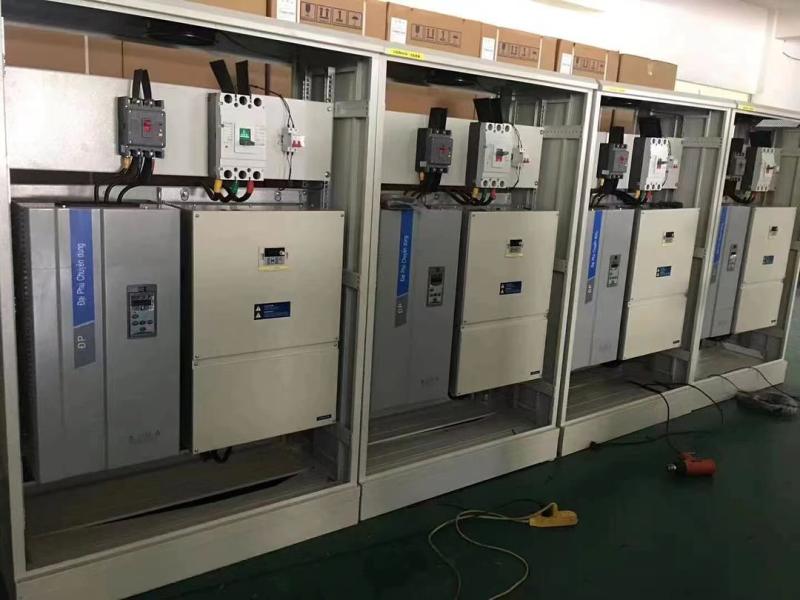
Um controlador VFD é um dispositivo especial que ajuda você a gerenciar como os motores elétricos funcionam em sua fábrica. Você também pode ouvir as pessoas chamarem de inversor de frequência variável ou inversor. Este dispositivo muda a frequência e a tensão que vão para o motor. Quando você o usa, pode fazer o motor funcionar mais rápido ou mais devagar. Isso é importante porque nem todo trabalho precisa que o motor funcione na velocidade máxima. Você pode economizar energia e fazer suas máquinas funcionarem melhor usando a velocidade certa para cada tarefa.
Funções Básicas
O principal trabalho de um inversor de frequência variável é controlar quanta energia vai para o seu motor. Ele faz isso mudando a frequência e a tensão. Quando você ajusta isso, decide o quão rápido ou devagar o motor gira. Isso ajuda você a combinar a velocidade do motor com o que seu processo precisa. Você obtém mais controle sobre suas máquinas e pode fazê-las funcionar exatamente como deseja.
Dica: Usar um controlador VFD pode ajudá-lo a evitar desperdício de energia. Você só usa o que precisa, então suas contas de energia podem diminuir.
Controle de Velocidade e Torque do Motor
Você pode usar um controlador VFD para controlar tanto a velocidade quanto o torque. Torque é a força que faz algo girar. Às vezes, você precisa de mais força para mover coisas pesadas. Outras vezes, precisa de menos. O controlador VFD permite que você defina a quantidade certa para cada trabalho. Aqui estão algumas maneiras como ele funciona:
Ele mantém a tensão e a frequência equilibradas para que o motor funcione suavemente.
Ele pode usar feedback do motor para fazer pequenas mudanças e manter a velocidade estável.
Ele pode usar sensores para verificar a velocidade do motor e garantir que corresponda às suas configurações.
Ele pode ajustar a força (torque) para se adequar à carga, para que suas máquinas não trabalhem mais do que precisam.
Com esses recursos, você obtém melhor controle sobre seu equipamento. Suas máquinas podem durar mais e você pode evitar problemas que surgem ao operar motores muito rápido ou muito devagar.
Benefícios do Inversor de Frequência Variável
Economia de Energia
Você pode ver uma grande diferença em suas contas de energia quando usa um VFD. Este dispositivo permite que você opere seus motores apenas na velocidade que precisa. Você não desperdiça energia operando na velocidade máxima o tempo todo. Muitas fábricas usam um inversor de frequência variável para desacelerar motores durante períodos de baixa demanda. Essa simples mudança leva a uma real economia de energia. Quando você usa menos eletricidade, ajuda o meio ambiente e economiza dinheiro ao mesmo tempo.
Nota: Um controlador VFD pode ajudá-lo a reduzir até 10% do seu uso de energia elétrica. Isso significa que você gasta menos com energia todo mês.
Eficiência Aprimorada
Um VFD ajuda você a fazer mais trabalho com menos esforço. Você pode ajustar a velocidade de suas máquinas para corresponder às necessidades de cada trabalho. Isso significa que você não precisa parar e iniciar seu equipamento com tanta frequência. Sua linha de produção se move suavemente. Você pode otimizar os processos de produção e manter seus produtos com alta qualidade. O inversor dentro do VFD oferece alta eficiência de conversão de energia. Isso significa que mais da energia que você usa vai para trabalho útil, não para desperdício. Você pode confiar que suas máquinas funcionarão melhor e durarão mais.
Custos Operacionais Mais Baixos
Você notará custos mais baixos em muitas áreas quando usar um VFD. Você economiza dinheiro em energia, mas também gasta menos com reparos e manutenção. Suas máquinas não se desgastam tão rápido porque começam e param suavemente. Você evita choques repentinos que podem danificar peças. Aqui estão algumas maneiras como um VFD ajuda você a reduzir seus custos:
Você usa até 10% menos eletricidade.
Seus motores e outros equipamentos duram mais.
Você gasta menos consertando máquinas quebradas.
Você reduz o tempo de inatividade em suas aplicações.
Você pode ver esses benefícios em muitos setores. Por exemplo, algumas empresas usam soluções VFD da Canroon para melhorar a eficiência em suas aplicações de guindastes e elevadores. Essas mudanças ajudam-nas a economizar dinheiro e manter suas operações funcionando sem problemas.
Controle Aprimorado do Motor com VFD
Ajuste Preciso de Velocidade
Um controlador VFD permite que você mude a velocidade do motor com muita precisão. Isso o torna diferente de um soft starter. A tabela abaixo mostra como um VFD e um soft starter não são iguais:
Você pode mudar a velocidade do motor quando quiser. Isso ajuda você a combinar o motor com o que seu trabalho precisa. Definir a velocidade certa ajuda você a trabalhar mais rápido e manter os produtos bons. O VFD permite que você faça mudanças rápidas, para que possa reagir rapidamente. Você obtém melhor controle e seus resultados permanecem os mesmos a cada vez.
Dica: Usar um inversor ajuda você a definir a melhor velocidade para cada trabalho. Isso economiza energia e reduz o desperdício.
Operação Mais Suave
Um VFD faz seu motor funcionar mais suavemente. Você não tem partidas ou paradas repentinas que podem quebrar suas máquinas. Aqui estão algumas maneiras como um VFD ajuda suas máquinas a funcionarem melhor:
VFDs fornecem controle suave e preciso de velocidade e torque.
Eles evitam choques e estresse duros ao iniciar ou parar muito rápido, o que pode prejudicar peças como enrolamentos, rolamentos, correias e engrenagens.
VFDs reduzem ruído e vibração, tornando o trabalho mais seguro e ajudando as máquinas a durarem mais.
Você ouvirá menos ruído e sentirá menos vibração em sua fábrica. Suas máquinas duram mais porque não são atingidas por choques duros. Você torna seu local de trabalho mais seguro e agradável para todos. Usar um VFD mantém suas máquinas seguras e seu trabalho indo bem.
Longevidade do Equipamento
Redução de Desgaste
Você quer que suas máquinas durem o máximo possível. Usar um VFD ajuda você a alcançar esse objetivo. Quando você controla a velocidade do motor com um VFD, reduz o estresse em engrenagens, correias e rolamentos. Os motores não precisam trabalhar mais do que o necessário. Isso significa menos atrito e menos calor. Seu equipamento funciona mais suavemente e silenciosamente. Você vê menos quebras e menos tempo gasto consertando coisas.
Veja como os controladores VFD ajudam a reduzir o desgaste:
Você nota a diferença em trabalhos de alta precisão. As máquinas permanecem em boa forma por mais tempo. Você gasta menos dinheiro com reparos. Sua equipe trabalha com equipamentos mais seguros e confiáveis.
Dica: O uso regular de um VFD pode ajudá-lo a evitar tempos de inatividade caros e manter sua linha de produção em movimento.
Partida e Parada Suave
Iniciar e parar motores pode causar grandes problemas se feito muito rapidamente. Um VFD oferece recursos de partida e parada suave. Esses recursos permitem que seu motor acelere e desacelere suavemente. Você evita solavancos repentinos que podem danificar peças. O inversor dentro do VFD ajuda a controlar esse processo.
Quando você usa partida e parada suave, protege suas máquinas de choque e estresse. Os motores não saltam para a velocidade máxima imediatamente. Em vez disso, eles aumentam lentamente. Isso mantém seu equipamento seguro e ajuda a evitar falhas. Você vê menos peças quebradas e menos necessidade de reparos de emergência.
Você também torna seu local de trabalho mais seguro. As máquinas funcionam silenciosamente e suavemente. Os trabalhadores não precisam se preocupar com movimentos repentinos ou ruídos altos. Sua fábrica permanece produtiva e segura.
Nota: Os recursos de partida e parada suave em controladores VFD desempenham um papel fundamental na prevenção de falhas de equipamento, reduzindo o desgaste mecânico.
Segurança e Proteção
Proteção Contra Sobrecarga
Você quer que suas máquinas funcionem com segurança todos os dias. Um VFD ajuda você a proteger seus motores de danos. Quando um motor trabalha muito, pode superaquecer ou quebrar. O VFD monitora a corrente e a velocidade do seu motor. Se a carga ficar muito alta, o VFD diminuirá ou parará o motor. Essa ação mantém seu equipamento seguro e evita reparos caros. Você pode definir limites para seu sistema. O VFD seguirá esses limites e reagirá rapidamente se algo der errado. Muitos controladores VFD também fornecem alarmes ou avisos. Você pode corrigir problemas antes que piorem.
Dica: Usar um VFD com proteção contra sobrecarga ajuda você a evitar quebras repentinas e mantém sua linha de produção funcionando sem problemas.
Segurança do Operador
Você precisa manter sua equipe segura enquanto trabalha com máquinas pesadas. Um VFD torna seu local de trabalho mais seguro de muitas maneiras. O inversor dentro do VFD fornece controle suave e preciso. Você pode levantar e mover cargas sem solavancos repentinos. Esse controle reduz a chance de acidentes. Máquinas com controladores VFD criam menos vibração e menos colisões. Sua equipe enfrenta menos risco com peças móveis.
Aqui estão algumas maneiras como os controladores VFD melhoram a segurança do operador:
Você obtém levantamento e movimentação suaves, o que ajuda a prevenir acidentes.
Máquinas com controladores VFD criam menos vibrações e colisões.
Controles remotos sem fio permitem que você opere máquinas a uma distância segura.
Você pode confiar em um VFD para ajudá-lo a cumprir os padrões de segurança. Sua equipe pode trabalhar com confiança. Você também reduz o risco de lesões e danos ao seu equipamento.
Nota: Adicionar um VFD ao seu sistema é uma maneira inteligente de proteger suas máquinas e suas pessoas.
Versatilidade em Aplicações Industriais
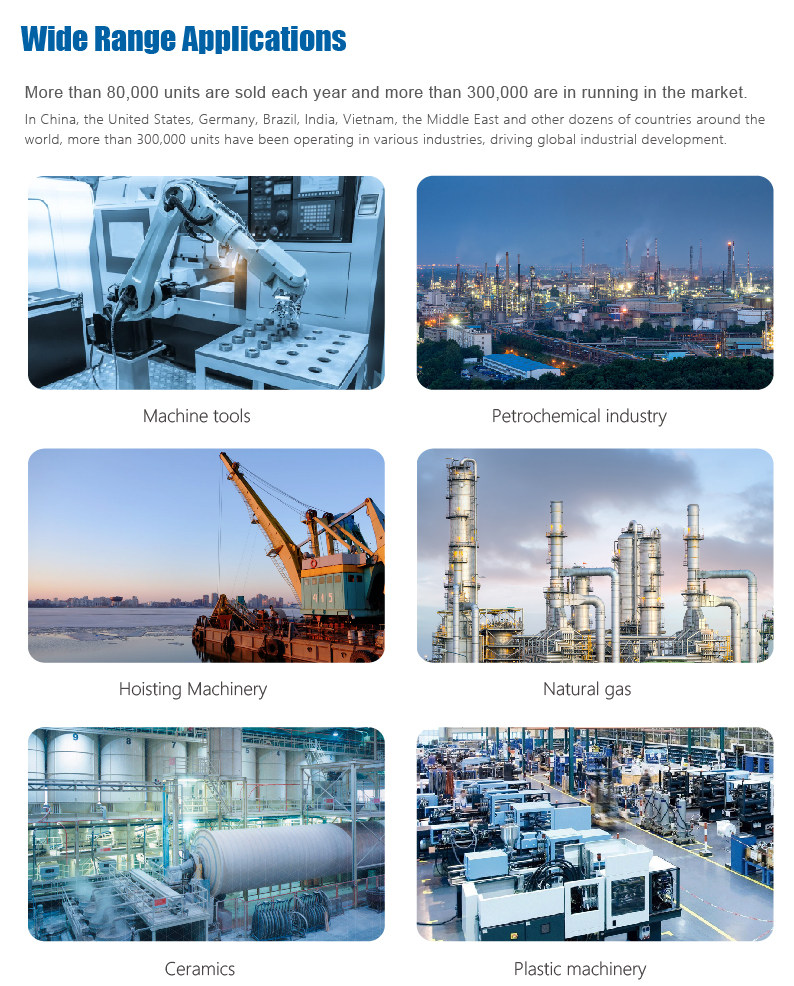
Integração de Automação
Você pode usar um VFD em muitos tipos de fábricas. Esses dispositivos ajudam a conectar motores a sistemas de automação. Quando você adiciona um VFD, obtém mais controle sobre as máquinas. Você pode coletar dados do motor e usá-los para planejar reparos. Isso ajuda você a corrigir problemas antes que parem seu trabalho. Você também economiza energia porque o VFD opera motores apenas quando necessário.
VFDs leem dados do motor e ajudam a gerenciar o uso de energia.
Você pode usar centros de controle de motores para controlar muitos motores de um só lugar. Essa configuração torna seu sistema mais confiável e reduz os custos de fiação.
Conectar VFDs e centros de controle de motores a sistemas de automação reduz o risco de falha do motor e economiza energia.
Você pode ver esses benefícios em muitas aplicações de VFD. Fábricas usam VFDs para manter máquinas funcionando bem e tomar decisões inteligentes sobre reparos e uso de energia.
Flexibilidade de Aplicação
Um VFD funciona bem com muitos tipos diferentes de máquinas. Você pode usá-lo com guindastes, elevadores, elevadores e muito mais. Essa flexibilidade significa que você pode adicionar um VFD a equipamentos novos e antigos. Você não precisa mudar todo o seu sistema. O inversor dentro do VFD ajuda você a controlar velocidade e torque para cada trabalho.
Você torna o trabalho mais seguro para as pessoas e protege o equipamento de danos.
Os operadores podem se concentrar em mover cargas com segurança, não apenas em parar oscilações.
Você pode usar VFDs com seu interruptor mestre atual ou controles de rádio, então não precisa de novas peças.
Você pode adicionar um VFD a guindastes antigos ou outras máquinas, mostrando como esses dispositivos são flexíveis.
Você gasta menos com reparos e tem menos tempo de inatividade porque o VFD reduz o estresse nas peças da máquina.
Muitos setores escolhem VFDs porque atendem a muitas necessidades. Você pode encontrar usos comuns em fábricas, armazéns e sistemas de construção. Essa flexibilidade torna os VFDs uma escolha inteligente para quem deseja melhorar a segurança, economizar dinheiro e manter as máquinas funcionando por mais tempo.
Integração e Conectividade
Compatibilidade do Sistema
Você quer que seu VFD funcione com suas máquinas. Fábricas usam equipamentos novos e antigos. Às vezes, adicionar um VFD a sistemas antigos é difícil. Você pode ter problemas com controles, testes ou treinamento de trabalhadores. A tabela abaixo lista problemas comuns e maneiras de resolvê-los:
Você pode usar middleware ou conversores para ajudar os VFDs a se comunicarem com máquinas antigas. Você pode testar seu sistema para garantir que funcione bem. Se você treinar sua equipe cedo, eles aprendem novos sistemas mais rápido. Isso ajuda a integração do VFD a ocorrer sem problemas e mantém suas máquinas funcionando.
Monitoramento Remoto
O monitoramento remoto permite que você verifique seu VFD de qualquer lugar. Esse recurso ajuda a manter suas máquinas seguras e em funcionamento. Você recebe atualizações sobre como seu VFD e inversor estão funcionando. Se algo estiver errado, você vê rapidamente e pode corrigir rapidamente. A tabela abaixo mostra como o monitoramento remoto ajuda com reparos e menos tempo de inatividade:
Você pode identificar problemas antes que eles piorem. Você pode planejar reparos e evitar paradas repentinas. Isso mantém suas máquinas funcionando por mais tempo e economiza dinheiro. O monitoramento remoto também permite que você verifique seu VFD de um local seguro, tornando o trabalho mais seguro.
Dica: O monitoramento remoto ajuda você a corrigir problemas cedo e mantém sua fábrica funcionando bem.
Estudo de Caso: Controlador VFD em Ação
Problema e Solução
Fábricas podem ter muitos problemas. Contas de energia altas, máquinas desgastadas e qualidade ruim do produto são questões comuns. Aqui está um exemplo real de uma fábrica de alimentos. A fábrica usava muita energia e tinha produtos irregulares. As máquinas quebravam com frequência. Os motores sempre funcionavam na velocidade máxima, mesmo quando não era necessário. Isso desperdiçava energia e fazia as máquinas se desgastarem mais rápido.
A fábrica instalou um sistema VFD com inversor. Agora, os trabalhadores podiam mudar a velocidade do motor para cada trabalho. Os motores desaceleravam quando o trabalho era leve e aceleravam quando necessário. O VFD usava sensores inteligentes para verificar a carga e ajustar velocidade e torque. Isso ajudou a fábrica a economizar energia e ter melhor controle. A tabela abaixo mostra como o VFD resolveu grandes problemas:
Resultados e Melhorias
Depois de adicionar o VFD, as coisas melhoraram muito. A fábrica verificou números importantes antes e depois da mudança. Os resultados mostraram produtos melhores, menos uso de energia e menos quebras. Você pode ver essas mudanças na tabela abaixo:
Você pode usar sistemas VFD em muitos tipos de fábricas. Essas soluções ajudam você a economizar dinheiro e fazer produtos melhores. Elas também reduzem as paradas de máquinas. Muitas fábricas usam VFDs para guindastes, elevadores e transportadores. O inversor no VFD fornece o controle que você precisa para bons resultados.
Dica: Usar um VFD faz sua fábrica funcionar melhor e com mais segurança. Sua equipe pode fazer seus trabalhos de maneira mais inteligente e com menos risco.
Quando você usa um controlador VFD em sua fábrica, obtém muitas coisas boas.
Você pode fazer suas máquinas funcionarem melhor e usar menos energia.
Suas máquinas durarão mais e serão mais seguras de usar.
Você terá menos vezes em que as máquinas param de funcionar e seu local de trabalho será melhor.
Experimente as soluções VFD da Canroon para seu próximo projeto. Você verá como esses dispositivos ajudam a trazer novas ideias para fábricas no futuro.
Perguntas Frequentes
O que um controlador VFD faz?
Um controlador VFD permite que você mude a velocidade e o torque de um motor elétrico. Você pode combinar a velocidade do motor com seu trabalho. Isso ajuda você a economizar energia e proteger suas máquinas.
Você pode usar um VFD com qualquer motor?
Você pode usar um VFD com a maioria dos motores CA trifásicos. Alguns motores mais antigos podem precisar de verificação primeiro. Sempre pergunte ao seu fornecedor ou verifique a etiqueta do motor antes de instalar um VFD.
Como um VFD ajuda a economizar energia?
Um VFD só fornece ao motor a energia que ele precisa. Você não desperdiça energia funcionando na velocidade máxima o tempo todo. Isso pode reduzir suas contas de eletricidade.
É difícil instalar um controlador VFD?
Você pode instalar um VFD com habilidades elétricas básicas. Muitos VFDs vêm com instruções claras. Para obter os melhores resultados, peça a um técnico treinado para ajudá-lo a configurar e testar o sistema.
Inscreva-se para atualizações